How to Choose the Right Roofing Contractor in California
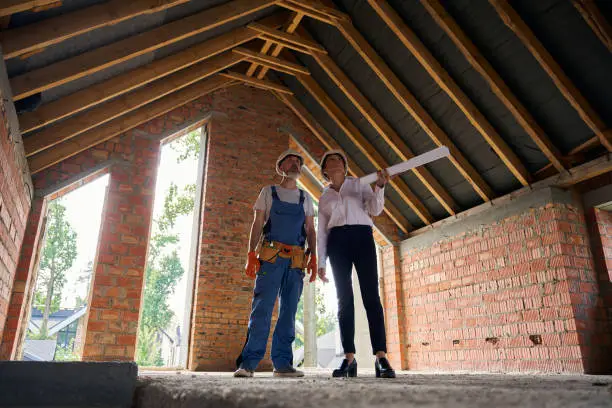
Have you noticed missing shingles, water stains, or rising energy bills? Choosing the right contractor can make the difference between a roof that lasts for decades and one that requires frequent repairs. Finding a trustworthy roofing contractor in California involves much more than requesting a quote. Homeowners should understand licensing requirements, material options, warranties, and contractor experience before making a decision.
How do I choose the best roofing contractor in California?
The best roofing contractor will be licensed, insured, experienced with local weather conditions, and willing to provide a detailed written estimate that outlines costs, materials, and timelines. Before signing any contract, homeowners should confirm:
- California state licensing
- Liability and workers' compensation insurance
- References from recent projects
- Manufacturer and workmanship warranties
- Experience with similar roofing systems
- Clear communication practices
Requesting multiple estimates helps homeowners compare pricing structures and service quality while avoiding unexpected costs later in the project.
Why does local experience matter?
Climate conditions vary widely across California. Coastal regions experience moisture and salt exposure, while inland areas often face intense heat and seasonal storms. Contractors who understand local conditions can recommend roofing systems that perform well in specific environments. When comparing a roofing company in California, ask about experience with:
- Asphalt shingles
- Clay and concrete tiles
- Metal roofing systems
- Flat roofs
- Ventilation and insulation systems
- Energy-efficient materials
Local expertise also helps ensure compliance with regional building codes and permit requirements.
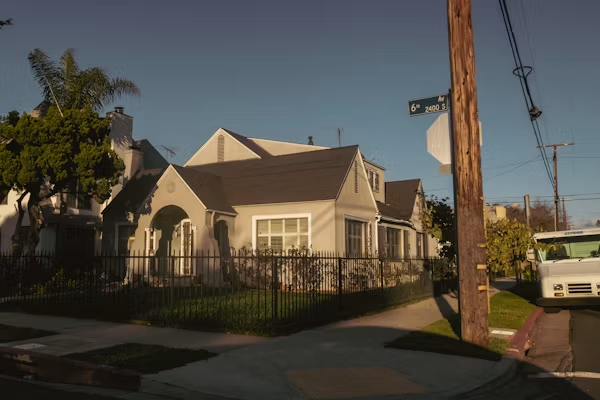
Compare Contractors Beyond Price
Many homeowners focus only on the final estimate, but the lowest price does not always deliver the best value. Consider the overall scope of work, warranty coverage, installation methods, and customer support after the project is completed.
| Factor | Questions to ask |
|---|---|
| Licensing | Is the licence current and valid? |
| Insurance | What coverage is included? |
| Materials | Which brands are being used? |
| Warranty | How long does coverage last? |
| Timeline | When will the project start and finish? |
According to the California Contractors State License Board, homeowners should always verify contractor credentials before beginning major construction projects.
What questions should homeowners ask before signing a contract?
A roofing contract should clearly explain every aspect of the project. Asking the right questions upfront can prevent misunderstandings and costly surprises later. Questions to ask include:
- Who will obtain permits?
- What is included in the estimate?
- How will weather delays be handled?
- What warranties are offered?
- Who will supervise the installation?
What warning signs indicate that a roof needs attention?
Even a well-installed roof requires regular inspections. Ignoring minor problems can lead to structural damage, mold growth, and higher repair costs. Homeowners should schedule a professional assessment if they notice:
- Water stains on ceilings or walls
- Curling, cracked, or missing shingles
- Sagging roof sections
- Granules collecting in gutters
- Unexplained increases in energy bills
- Daylight visible in the attic
Addressing these issues early can extend the life of the roof and reduce long-term maintenance expenses.
Which roofing materials provide the best value?
The right material depends on climate, budget, maintenance preferences, and expected lifespan. Some homeowners prioritize affordability, while others focus on energy efficiency and durability.
| Material | Average lifespan | Best for |
|---|---|---|
| Asphalt shingles | 20–30 years | Traditional residential homes |
| Metal roofing | 40–70 years | Energy efficiency and durability |
| Clay tiles | 50+ years | Warm and dry climates |
| Flat roofing membranes | 20–30 years | Commercial properties |
When comparing roofing solutions in California, homeowners should evaluate ventilation requirements, insulation performance, fire resistance, and warranty coverage in addition to upfront costs.
How can regular maintenance protect your investment?
Routine maintenance plays a major role in extending a roof's lifespan. Small issues that go unnoticed can eventually lead to expensive repairs or premature replacement. A proactive maintenance plan should include:
- Inspecting the roof after severe weather.
- Cleaning gutters and downspouts.
- Trimming overhanging branches.
- Checking attic ventilation and insulation.
- Scheduling professional inspections every few years.
Homeowners who invest in preventative maintenance often avoid larger structural problems and preserve their property's value over time.
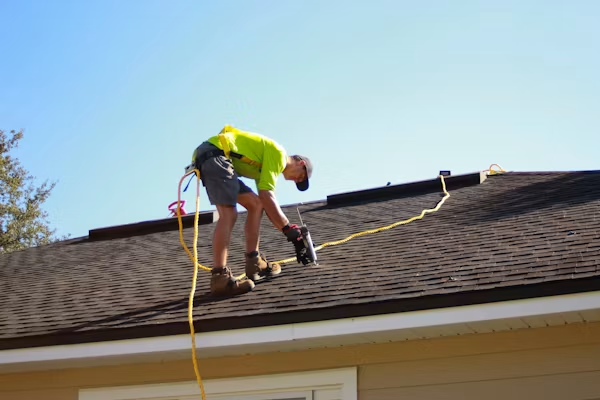
Choosing a Roofing Partner You Can Trust
Selecting a contractor is about more than comparing estimates. Homeowners should look for clear communication, proven workmanship, strong warranties, and experience with local building requirements. The right roofing partner will provide guidance before, during, and after the project. Alcon's Roofing Inc. serves residential and commercial clients throughout California with roof repairs, replacements, and installation services. Property owners looking for dependable expertise can connect with this service provider.
Key Takeaways
- Verify licences, insurance coverage, and local experience before hiring a roofing professional.
- Compare written estimates, warranties, and roofing materials instead of choosing solely based on price.
- Ask detailed questions about timelines, permits, and maintenance requirements.
- A reliable contractor should provide transparent communication and long-term support.
Frequently Asked Questions
How many estimates should homeowners request?
How often should a roof be inspected?
Does the cheapest estimate always provide the best value?
How can homeowners verify a contractor's licence?
How long does a residential roof typically last?
Free 24-hour quote in California.
No pressure, no door-knocking, no scripts. Just Alcon on the phone.