The Truth About Tile Roofs in Madera: What Homeowners Should Know
A practical guide to tile roof maintenance, hidden underlayment issues, leaks, and long-term performance
Key Takeaways
- A tile roof is a complete system: the visible tile protects an underlying waterproofing layer, so great-looking tiles do not automatically mean the entire roof is healthy.
- Valleys, flashing, vents, skylights, and broken tiles are common areas where water can find a path beneath the tile.
- Madera's intense summer heat, dust, wind, and seasonal moisture make regular inspections especially valuable.
- Aging underlayment may be the real issue on an older tile roof, even when most of the visible tiles remain serviceable.
- Depending on the roof's condition, a lift-and-relay approach may allow existing tiles to be reused while the underlying waterproofing system is renewed.
For homeowners looking at professional tile roofing options, explore tile roofing across California to understand the services available for tile systems.
Why Tile Roofs Are So Common in Madera
Tile roofing is a familiar sight across Madera and the Central Valley for good reason. Concrete and clay tiles can provide a durable exterior surface, strong visual appeal, and protection from the region's demanding weather. But one of the biggest misconceptions about tile roofs is that the tile itself is the entire roof. It isn't.
Think of a tile roof as a layered system. The tiles sit above the waterproofing components that protect the roof deck and interior of the home. The tiles take the brunt of sun, wind, and weather, while the underlayment and flashing handle much of the actual water-management work. That distinction matters because a roof can look excellent from the street while its underlying components are aging.
The Hidden Part of the Roof: Underlayment
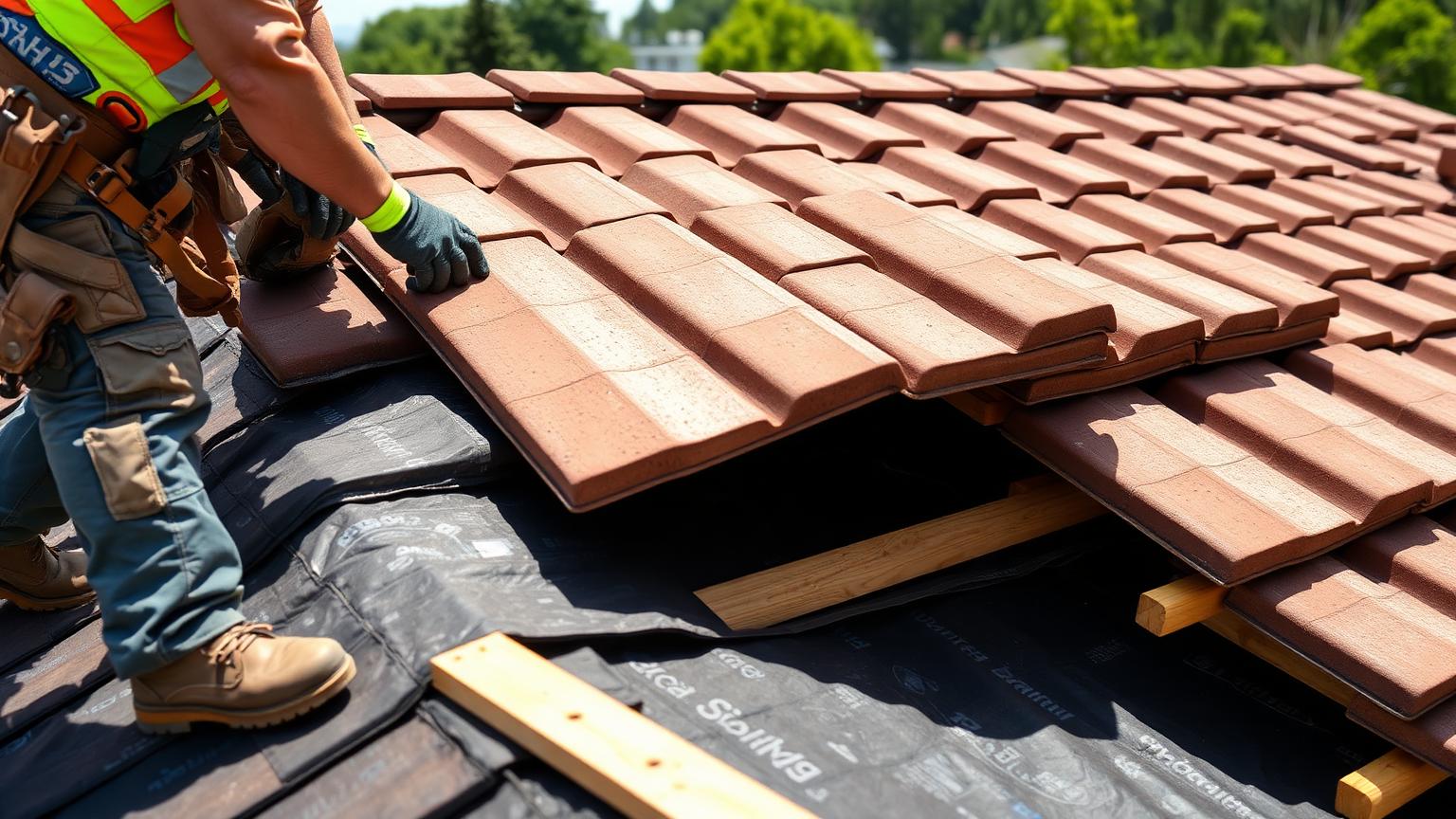
On an older Madera home, the condition of the underlayment deserves as much attention as the condition of the tiles. Over time, roofing membranes and flashing materials can become brittle, deteriorated, or less effective. When that happens, water may begin entering beneath otherwise intact tiles.
This is why a ceiling stain should not automatically be blamed on a visibly broken tile. Water can travel along the roof deck or framing before it becomes visible inside the house. An inspection should trace the likely water path rather than simply replacing the first damaged tile someone notices.
Where Tile Roof Leaks Commonly Start
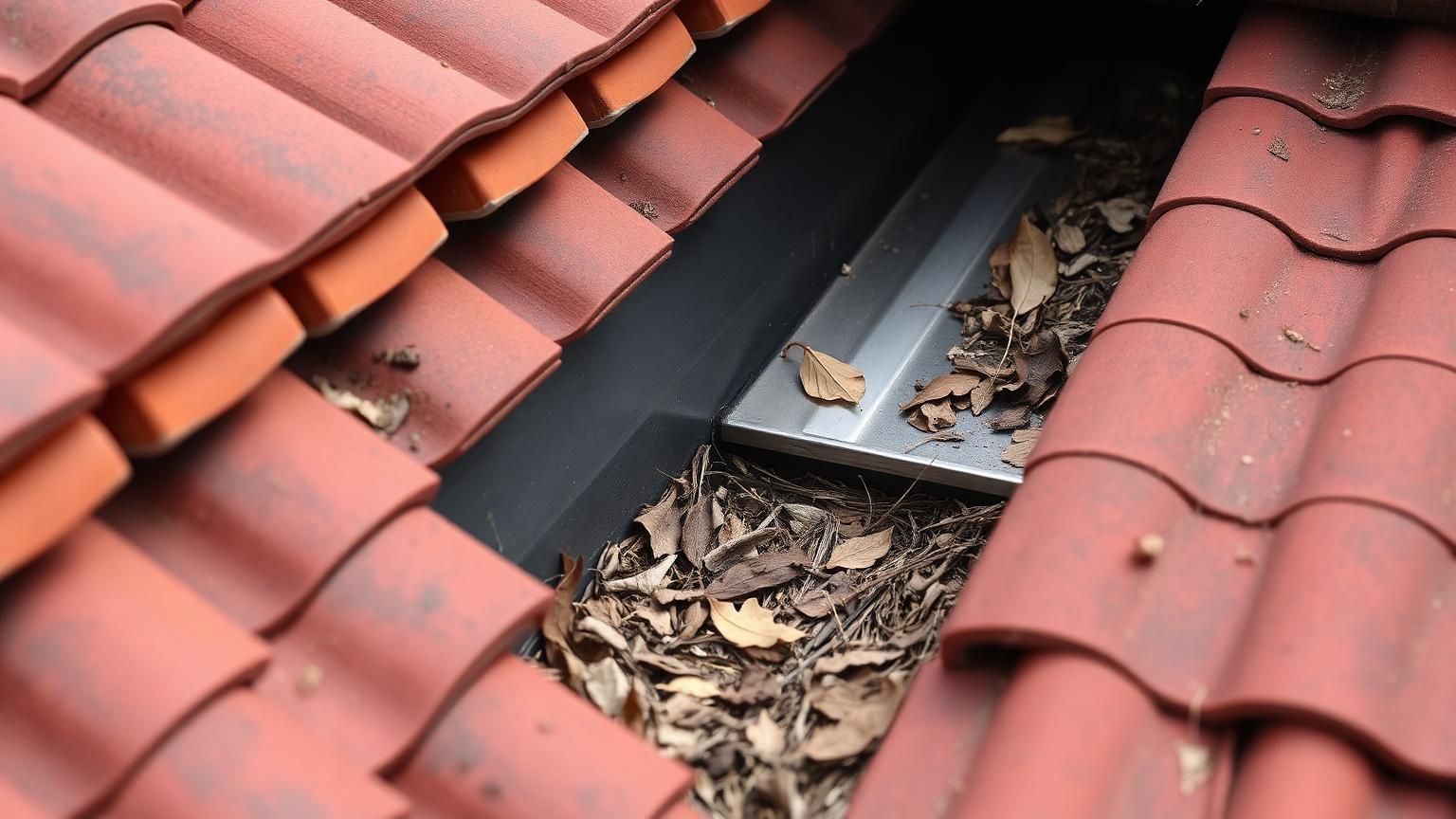
Several roof details deserve particular attention during an inspection:
| Roof Area | What Can Go Wrong | What to Watch For |
|---|---|---|
| Valleys | Debris, trapped moisture, deteriorated metal or underlayment | Leaves, staining, corrosion, standing debris |
| Flashing | Aging seals or poorly functioning transitions | Water marks near walls, chimneys, skylights |
| Tiles | Cracks or displacement from impact or foot traffic | Broken, shifted, or missing tiles |
| Plumbing vents | Aged seals or flashing around penetrations | Dark marks, damp decking, interior stains |
| Ridge and hips | Loose components or deteriorated bedding | Movement, gaps, or visible deterioration |
Regular maintenance is not about making a tile roof look perfect. It is about catching small failures before they become hidden water damage.
Why You Should Be Careful Walking on Tile
Tile is durable, but individual pieces can still crack when weight is applied in the wrong place. That is especially important when homeowners climb onto the roof to clean gutters, hang decorations, inspect a vent, or investigate a suspected leak.
Rather than treating the roof surface like a normal walking area, have a qualified roofing professional handle roof-level inspections whenever possible. A cracked tile may be easy to replace, but creating several new cracks while searching for one problem can make the situation worse.
Concrete vs. Clay Tile: What's the Difference?
Both concrete and clay tiles can be appropriate for Central Valley homes, but they have different characteristics. Concrete is widely used and offers a substantial, traditional tile appearance. Clay is known for its long-lasting color and distinctive architectural look. The right choice depends on the structure, design, existing roof system, climate considerations, and installation details.
| Factor | Concrete Tile | Clay Tile | Homeowner Consideration |
|---|---|---|---|
| Appearance | Wide range of profiles and finishes | Distinctive traditional appearance | Match the home's architecture |
| Color retention | Can weather or fade over time | Generally strong color stability | Consider long-term appearance |
| Durability | Strong when properly installed and maintained | Highly durable but can be brittle under impact | Avoid unnecessary foot traffic |
| Weight | Substantial | Varies by product | Roof structure must be suitable |
Tile Roofs and Madera's Hot Climate
Madera's hot, sunny conditions make roof surface performance an important consideration. Roofing materials differ in how much solar energy they reflect and how much heat they release. The U.S. Department of Energy notes that solar reflectance and thermal emittance are useful properties when evaluating cool-roof performance.
For additional background, see the U.S. Department of Energy's cool-roof guidance, which explains how roof surface properties can affect cooling performance.
That does not mean every homeowner needs to replace a functioning tile roof with a different material. Instead, it highlights why material selection, roof design, ventilation, and maintenance all matter when a roof must perform through repeated hot seasons.
Can an Older Tile Roof Be Renewed Without Replacing Every Tile?
Sometimes. When the visible tiles are generally serviceable but the underlying waterproofing system has reached the end of its useful life, a contractor may evaluate a lift-and-relay approach. This involves carefully removing the existing tiles, addressing the underlayment and related roof details, and reinstalling usable tiles while replacing damaged pieces as needed.
The key is inspection. A lift-and-relay strategy is not appropriate for every roof, especially when widespread tile deterioration, structural problems, or other major defects are present. A qualified roofing contractor should evaluate the entire assembly before recommending the least disruptive solution.
What Should Madera Homeowners Do Next?
If your tile roof is approaching two decades or more, or if you know it still has its original underlayment, an inspection can provide useful information even when there is no active leak. Look for ceiling stains, damaged or displaced tiles, deteriorated flashing, debris in valleys, and signs of moisture around roof penetrations.
The goal is not to assume you need a complete replacement. The goal is to understand which part of the roof is actually aging and what can reasonably be preserved. A clear inspection report with photos can help you make that decision before a small defect becomes interior damage.
A Smarter Way to Think About Tile Roof Maintenance
A tile roof can be a long-term asset, but longevity depends on the entire roofing system—not just the tiles visible from the curb. Keeping valleys clear, addressing broken tiles, maintaining flashing, monitoring roof penetrations, and checking the underlying waterproofing system can help protect the home for years.
For homeowners who want an experienced local roofing team to evaluate their tile system, Alcon's Roofing Inc serves Madera and communities throughout the Central Valley with tile roofing, repairs, re-roofing, and maintenance services.
Frequently Asked Questions
How long does a tile roof last in Madera?
Can a tile roof leak even if the tiles look fine?
Is it better to repair or replace an older tile roof?
How often should a tile roof be inspected?
Free 24-hour quote in Madera.
No pressure, no door-knocking, no scripts. Just Alcon on the phone.