Clay vs. Concrete Tile Roofing: Which Is Right for Your Home?
Clay vs. Concrete Tile Roofing: What Is the Difference?
When choosing tile roofing in California, homeowners are usually balancing three things: appearance, long-term durability, and upfront cost. Clay and concrete tiles can both provide decades of service, but they are not interchangeable.
Clay is known for its natural color, traditional profiles, and longevity. Concrete offers versatility, broad design choices, and generally lower material costs. The right option depends on your home's structure, architectural style, climate exposure, and long-term plans.
This guide explains the practical differences between the two so you can make a roofing decision based on more than appearance alone.
Is Tile Roofing Worth the Investment in California?
Yes, tile roofing can be worth the investment when the home's structure, design, and budget are suited to it. Its long service life, fire resistance, and potential energy-efficiency advantages can make the higher initial cost worthwhile over time.
California's varied climate also makes material selection important. A roof in the Central Valley may face intense summer heat, while homes in other parts of the state can encounter different moisture, temperature, or wind conditions.
Tile also requires proper installation. The weight of the material means the roof structure should be evaluated before changing from a lighter roofing material. Underlayment, flashing, ventilation, fastening, and drainage details are equally important to the finished system.
The U.S. Department of Energy notes that clay and concrete tiles can be used in cool-roof applications, with appropriate products and surface characteristics influencing their performance.
Clay Tile vs. Concrete Tile: Which Performs Better?
| Feature | Clay Tile | Concrete Tile |
|---|---|---|
| Appearance | Natural, traditional appearance | Wide range of colors and profiles |
| Durability | Very long service life when properly installed | Long service life with proper installation |
| Weight | Can be substantial | Can also be substantial |
| Cost | Usually higher | Generally more budget-friendly |
| Style | Excellent for Spanish and Mediterranean designs | Works with traditional and modern designs |
| Maintenance | Individual damaged tiles can be replaced | Individual damaged tiles can be replaced |
| Best suited for | Homeowners prioritizing traditional aesthetics and longevity | Homeowners seeking versatility and value |
What Are the Advantages of Clay Tile?
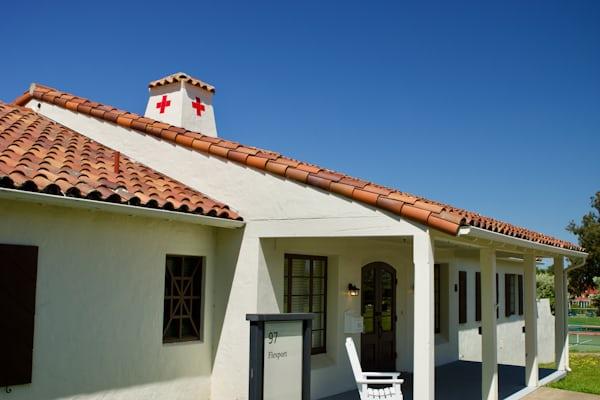
A clay tile roof in California can be an excellent choice when architectural authenticity matters. Clay's natural composition gives it a distinctive appearance that complements Spanish, Mediterranean, and Southwestern homes.
Clay tiles can also retain their character over many years. However, homeowners should not assume that the tile itself eliminates all roof maintenance. The underlayment and flashing components beneath and around the tiles can require attention long before the tile material reaches the end of its useful life.
Clay can also cost more upfront, particularly when homeowners select premium profiles or specialty colors.
When Does Concrete Tile Make More Sense?
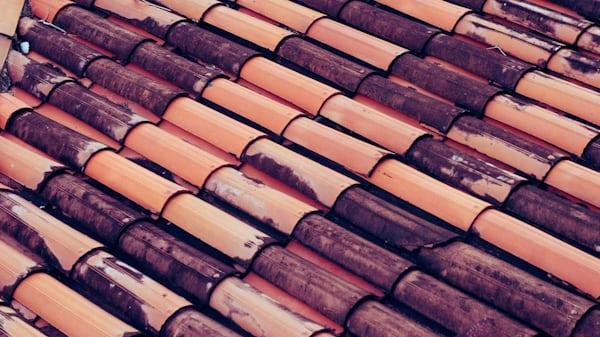
Concrete tile is often a practical choice when homeowners want design flexibility and strong long-term performance without choosing premium clay products.
Modern concrete tiles can imitate slate, wood, or traditional tile profiles, giving homeowners considerable freedom when matching the roof to the home's architecture.
Another advantage is availability. Concrete tile is manufactured in many shapes and finishes, which can make it easier to coordinate a replacement roof with existing exterior materials.
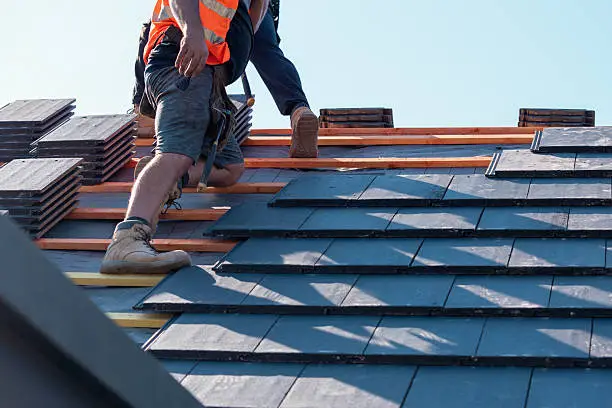
However, concrete should not automatically be considered a lightweight option. Like clay, it can place significant loads on a roof structure. A professional evaluation is particularly important when converting an existing asphalt roof to tile.
Homeowners considering concrete tile roofing in California should also ask whether the selected product has the appropriate reflectance and performance characteristics for the property's location.
What Should You Check Before Installing Tile?
Before choosing either material, look beyond the tile sample.
A practical pre-installation evaluation should include:
- Structural capacity: Confirm the framing can support the selected tile assembly.
- Roof slope: Make sure the tile profile is appropriate for the roof's design.
- Underlayment: Determine what underlayment system is appropriate for the climate and roof configuration.
- Flashing: Pay particular attention to valleys, walls, chimneys, skylights, and other penetrations.
- Ventilation: Ensure the roof assembly has suitable ventilation rather than relying on tile alone to manage heat.
- Maintenance access: Plan how broken tiles and underlying components will be inspected or repaired.
These details are especially important because a durable tile can still perform poorly if the components underneath it are incorrectly installed.
Which Tile Is Better for Your Home?
There is no universal winner.
Choose clay when traditional appearance, natural character, and long-term durability are your highest priorities and the additional investment fits your budget.
Concrete may be the better choice when you want greater design flexibility and a more accessible initial price while still choosing a durable tile roofing material.
The condition of the existing roof matters, too. A professional inspection can identify structural limitations, damaged decking, ventilation concerns, or underlayment issues before they become expensive surprises.
For another practical perspective on what homeowners should know before choosing or repairing tile, see The Truth About Tile Roofs in Madera (From Someone Who Repairs Them).
Conclusion
Ultimately, the best tile roof is the one that matches the home's structure, architectural style, climate exposure, and owner's long-term expectations. Clay and concrete can both be excellent investments when correctly specified and installed.
If you are evaluating a new tile installation or replacement, Alcon's Roofing Inc. can help you assess the practical considerations before committing to a material.
Ready to compare your tile roofing options? Explore Alcon's Roofing Inc.'s tile roofing services and discuss the right approach for your home.
Key Takeaways
- Clay and concrete tiles can both provide long-term roofing performance when correctly installed.
- Clay generally appeals to homeowners seeking traditional aesthetics and natural character.
- Concrete offers broad design flexibility and can provide strong value for many homeowners.
- Structural evaluation, underlayment, flashing, ventilation, and installation quality are critical to tile roof performance.
Frequently Asked Questions
Is clay tile better than concrete tile?
How long does a tile roof last?
Are tile roofs good for California's climate?
Can I replace an asphalt roof with tile?
Free 24-hour quote in California.
No pressure, no door-knocking, no scripts. Just Alcon on the phone.