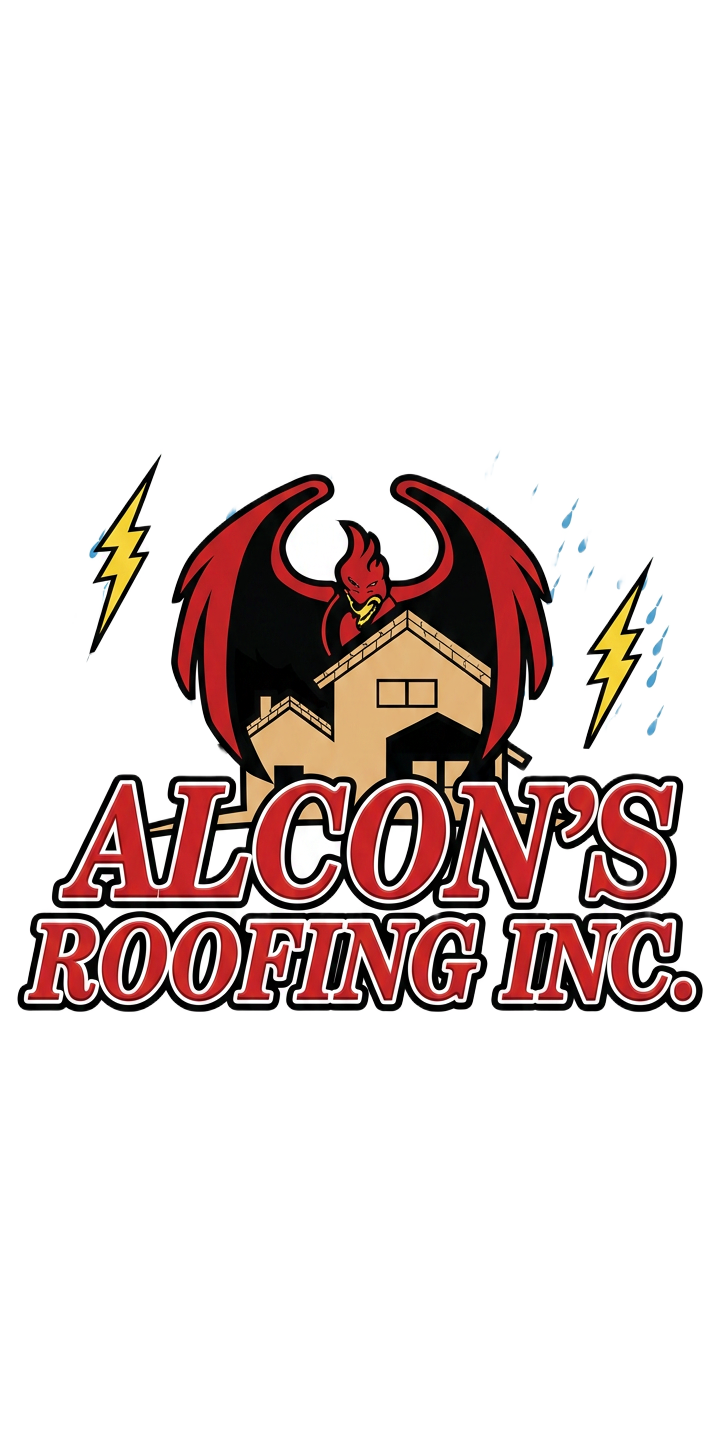
Why Are Roof Shingles Cracking, Curling, or Losing Granules?
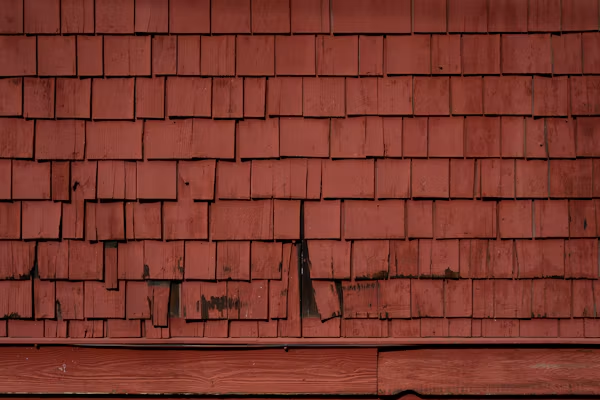
Key Takeaways
- Cracking, curling, and granule loss can result from aging, heat exposure, installation issues, or physical damage.
- Small amounts of granule shedding may be normal, but widespread loss deserves attention.
- Localized damage may need repairs, while extensive deterioration can justify replacement.
- Regular inspections and gutter maintenance help identify roofing problems early.
Introduction
Have you spotted gritty, sand-like particles in your gutters or noticed shingle edges lifting after a long summer? These small clues can reveal how well your roof is handling years of sun, temperature changes, and seasonal weather. Understanding the causes helps homeowners decide whether to monitor the damage, arrange targeted repairs, or consider replacement. Professional roofing services in Fresno can help identify the underlying issue before minor deterioration develops into a more expensive problem.
1. Why Do Roof Shingles Crack or Curl?
Asphalt shingles contain a protective mineral-granule surface over an asphalt layer and reinforcing base. Over time, heat, weather exposure, and material aging can weaken these components. In Fresno, prolonged summer sunshine makes heat-related wear particularly worth watching.
What causes shingles to crack?
Sunlight and repeated temperature changes can gradually make asphalt shingles less flexible. As materials expand and contract, small surface cracks may develop. Deep cracks are more concerning because they can compromise the shingle's ability to shed water.
Other possible causes include:
- Poor installation: Incorrect fastening or placement can leave shingles vulnerable to movement and damage.
- Storm or impact damage: Hail, falling branches, and debris can fracture shingles or weaken their structure.
- Roof movement: Changes in the roof deck may contribute to cracking, splitting, or distortion.
Why do shingle edges curl upward?
Curling often develops as roofing materials age and shrink. However, installation problems, inadequate attic ventilation, and moisture-related movement in the roof deck can also contribute to distortion.
Curled edges can catch wind more easily and may allow water to enter beneath the shingles. Avoid pressing them flat or applying household adhesives. A roof inspection can determine whether the problem is isolated or part of broader deterioration.
2. What Does Granule Loss Mean for Your Roof?
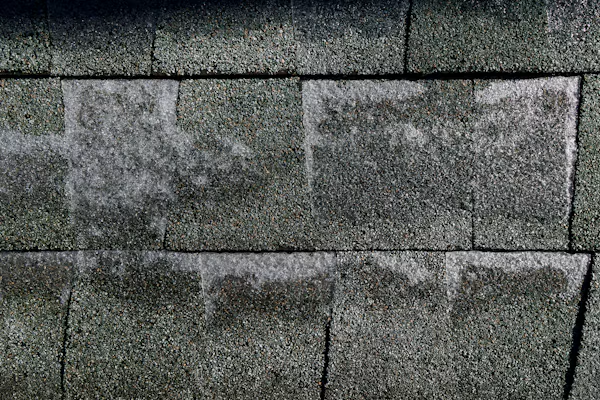
The mineral granules on asphalt shingles help protect the underlying asphalt from sunlight and weather exposure. Some loose granules are normal, particularly when a roof is relatively new. Heavy or widespread loss deserves closer attention.
How can you tell whether granule loss is serious?
Look for patterns rather than judging one small patch. A few granules in the gutters may not indicate a major problem, but large accumulations combined with bald spots or exposed dark asphalt suggest more significant wear.
| What you notice | Possible explanation | Recommended response |
|---|---|---|
| A small amount of loose granules | Normal shedding or minor surface wear | Monitor the roof |
| Bare or uneven shingle patches | Advanced wear, abrasion, or impact | Arrange an inspection |
| Cracked shingles with missing granules | Material deterioration or physical damage | Assess repair or replacement needs |
| Curling across several roof sections | Aging, ventilation, or installation issues | Request a professional evaluation |
Can Fresno's heat accelerate shingle damage?
Yes. Prolonged heat and ultraviolet exposure can accelerate the aging of asphalt roofing materials. However, heat is not the only factor. Roof ventilation, installation quality, shingle type, and maintenance history all affect performance.
For further guidance, the Insurance Institute for Business & Home Safety discusses how weather exposure can contribute to roofing deterioration.
3. Repair or Replace: How Should You Decide?
The right solution depends on the extent of the damage, the roof's age, and the condition of the underlying materials. A few damaged shingles may be repairable, while widespread cracking, curling, or granule loss can indicate that replacement deserves consideration.
When is a roof repair enough?
A targeted repair may work when damage is limited to a small area and the surrounding shingles remain in good condition. A professional can check nearby flashing, roof penetrations, and underlayment for related problems.
When should you consider replacement?
Replacement may make more sense when deterioration affects multiple roof sections, leaks keep returning, or shingles have lost much of their protective surface. Repeatedly patching an aging roof may only postpone a larger project.
Homeowners researching residential roofing services in Fresno should request a clear explanation of the damage, photographs where possible, and an itemized estimate. Ask which issues require immediate attention and which can be monitored.
4. How Can Homeowners Prevent Further Shingle Damage?
You cannot prevent normal material aging, but regular maintenance can help identify problems before they spread.
- Inspect after severe weather: Look for missing shingles, debris, and signs of leaks from a safe location.
- Keep gutters clear: Blocked gutters can interfere with drainage and contribute to moisture problems.
- Check attic conditions: Unusual moisture, poor airflow, or damp insulation may warrant further investigation.
- Avoid walking on the roof: Foot traffic can dislodge granules or damage weakened shingles.
- Schedule periodic inspections: A professional can identify developing issues that are difficult to spot from the ground.
These habits can help homeowners make informed decisions instead of waiting for ceiling stains or active leaks to reveal a problem.
Roofing Support From Alcon's Roofing Inc.
When shingle damage needs professional attention, Alcon's Roofing Inc. provides roof repairs, inspections, maintenance, and replacement services for homeowners in Fresno and throughout the Central Valley. Its complete roofing services in Fresno cover different roofing needs, from localized damage to larger re-roofing projects.
The company is family-owned, and its website highlights direct owner involvement, written estimates, and warranties on materials and labor.