Key Takeaways
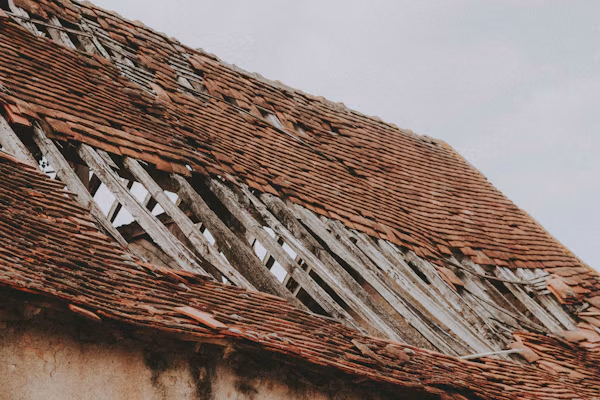
- Water stains, active leaks, sagging roof sections, and missing shingles can signal problems that need prompt attention.
- Roof leaks may originate far from the visible water stain, so tracing the source is essential for effective repairs.
- Quick action, safe inspections, and professional assessment can help limit water damage and prevent minor defects from worsening.
A small brown ceiling stain might look harmless, but it could be your roof's way of waving a very expensive red flag. Knowing when to arrange roof repair in Fresno can help you respond before moisture spreads into insulation, drywall, or structural materials. Wind, heavy rain, ageing roofing materials, and damaged flashing can all create weak points that let water inside. So, what causes roof leaks, and how can they be fixed? Recognising the warning signs early helps you understand when a repair is urgent, what to check from a safe location, and when to call a roofing professional.
1. What Are the Biggest Warning Signs of Roof Damage?
The clearest warning signs are water entering the home, visible roof deterioration, and changes to the ceiling or roof structure. Some problems develop gradually, while others become urgent after a storm.
Watch for these clues:
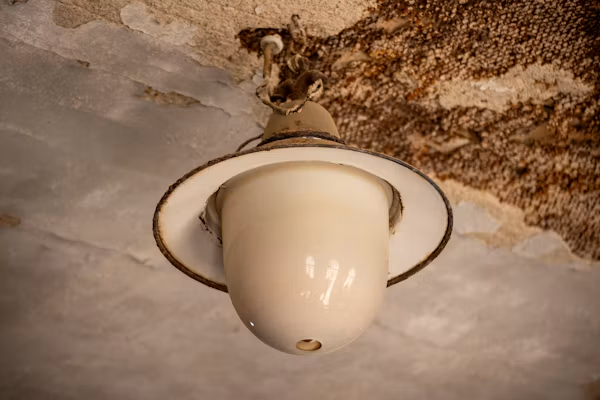
- Water stains on ceilings or walls: Yellow, brown, or spreading marks may indicate moisture entering through the roof or nearby building components.
- Active drips or damp patches: Water collecting indoors during rain suggests that water is finding a path through the building envelope.
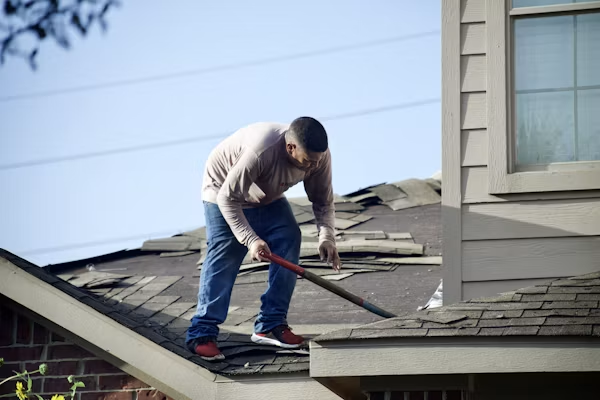
- Missing, cracked, or curling shingles: Damaged roofing materials can expose vulnerable areas to wind and water.
- Sagging rooflines or ceilings: A visible dip may indicate structural deterioration or accumulated moisture and requires prompt professional assessment.
- Granules in gutters: A sudden increase in shingle granules can indicate wear, although some granule loss is normal as shingles age.
- Damaged flashing: Cracked sealant, loose metal, or gaps around chimneys, vents, and skylights can allow water to penetrate.
A roof does not have to look dramatically damaged to leak. Water can travel along rafters or roof decking before appearing on an interior surface, so the visible stain may not sit directly beneath the entry point.
2. What Causes Roof Leaks, and How Can They Be Fixed?
Roof leaks commonly develop when roofing materials crack, flashing separates, drainage becomes obstructed, or wind damages exposed sections. The correct repair depends on where water enters and what has deteriorated.
| Warning sign | Possible cause | Typical repair approach |
|---|---|---|
| Water near a chimney or vent | Failed or loose flashing | Repair or replace damaged flashing and surrounding seals |
| Drips after heavy rain | Damaged shingles or vulnerable roof penetrations | Identify the entry point and repair affected materials |
| Water pooling on a low-slope roof | Drainage problems or surface deterioration | Assess drainage and repair the roofing system as needed |
| Ceiling stains that keep returning | An unresolved leak or trapped moisture | Trace the source, repair it, and assess affected interior materials |
| Missing shingles after strong winds | Wind damage or weakened attachment | Replace damaged shingles and inspect nearby areas |
Avoid treating every leak with a quick application of roofing sealant. Sealant may be suitable for certain details, but it will not correct every problem involving damaged underlayment, deteriorated decking, or poor drainage. The repair should address the underlying cause, not just the spot where water becomes visible.
3. When Is Roof Damage an Emergency?
A roof problem needs urgent attention when water is entering the property rapidly, the ceiling is bulging, the roof structure appears unstable, or storm damage has exposed the interior.
Take these precautions:
- Protect people first. Keep everyone away from sagging ceilings, unstable areas, and suspected structural damage.
- Avoid electrical hazards. If water is near lights, outlets, or electrical equipment, stay clear and contact a qualified electrician or emergency service as appropriate.
- Move belongings if safe. Relocate furniture and valuables away from dripping water without entering unsafe areas.
- Document the damage. Take photographs from a safe position and record when the leak occurred, particularly after a storm.
- Arrange a professional assessment. Explain where the water appeared, whether the leak is ongoing, and what weather conditions preceded it.
Never climb onto a wet, steep, or storm-damaged roof to investigate. Roof surfaces can be slippery, and hidden structural damage may make them unsafe to walk on.
4. How Can You Prevent a Small Roof Problem From Getting Worse?
Preventive checks can help you spot deterioration before it becomes an expensive repair. After severe weather, look for fallen branches, displaced shingles, damaged gutters, and debris from the ground. Schedule professional inspections if you notice changes or your roof is ageing.
For effective leaking roof repair in Fresno, ask the roofer to identify the source of moisture, inspect nearby roofing components, and explain which materials need repair or replacement. A useful estimate should outline the work, materials, costs, and any additional damage discovered during the inspection.
If the problem extends beyond a single leak, ask whether broader damage roof repair in Fresno is needed to address deteriorated decking, damaged flashing, or multiple compromised areas. Fixing the underlying issue is more effective than repeatedly patching the same symptoms.
For additional guidance on preparing for severe weather and protecting your property, visit the Federal Emergency Management Agency (FEMA).
Get Help With Roof Repairs From Alcon's Roofing Inc.
When roof damage threatens your home's protection, a timely assessment can help clarify the next steps. Alcon's Roofing Inc. provides roofing services, including repairs for roof damage and leaks. You can explore its roof repair and leak services to learn more about available solutions.
If you've noticed water stains, missing shingles, or signs of storm damage, arrange a professional assessment rather than waiting for the next rainfall. Describe the symptoms you've observed and ask for a clear explanation of the recommended repair.
Frequently Asked Questions
Can a roof leak stop on its own?
Does a small ceiling stain always mean the roof is leaking?
Should I repair or replace my damaged roof?
How quickly should I address missing shingles?
Free 24-hour quote in Fresno.
No pressure, no door-knocking, no scripts. Just Alcon on the phone.