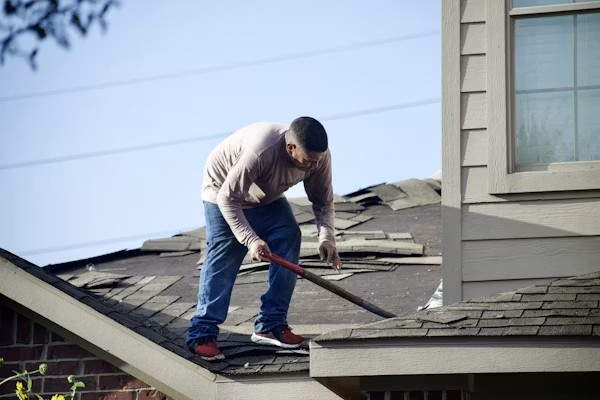
Is that stain on your ceiling a quick fix, or the first sign your roof is done for good? For most homeowners, that question comes with a mix of confusion and sticker shock. Roofing problems rarely announce themselves clearly, and choosing between a patch job and a full overhaul can feel like a gamble. This guide breaks down the real differences between roof repair and roof replacement, so you can make a confident, informed decision instead of a rushed one.
Common Signs You Only Need a Roof Repair
Not every roofing issue means starting from scratch. In many cases, a targeted repair solves the problem and extends the life of your existing roof. Look out for:
- A small number of cracked, curled, or missing shingles
- A single active leak with no sign of spreading
- Minor flashing damage around chimneys or vents
- Isolated storm or wind damage to a specific section
- A roof that's less than 15 years old with no major structural issues
If your roof is otherwise in good shape and the damage is contained to one area, a repair is typically the more cost-effective route. If you're interested in this, you might also like our blog on seasonal roof maintenance tips over on our blog.
Signs You May Need a Full Roof Replacement
What is a full roof replacement?
A full roof replacement means removing the old roofing material down to the deck and installing an entirely new roofing system, rather than patching specific sections. Homeowners considering a complete roof replacement in California often notice several warning signs at once rather than a single isolated problem. These include:
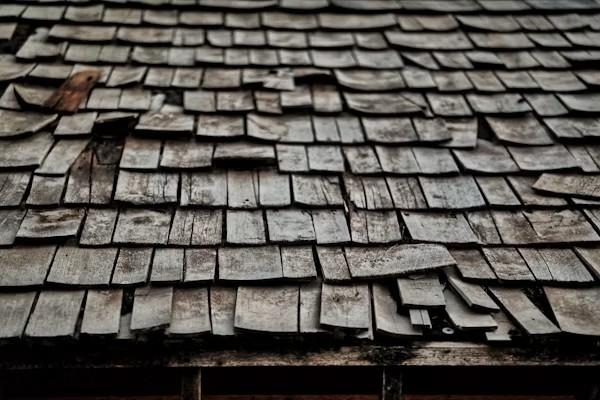
- Widespread shingle damage, curling, or granule loss across the whole roof
- Multiple leaks in different areas of the home
- Sagging areas on the roofline
- Visible daylight through the roof boards in the attic
- A roof that's reached or passed its expected lifespan (typically 20–25 years for asphalt shingles)
When should I replace my roof instead of repairing it?
You should replace your roof instead of repairing it when the damage is widespread, the roof is near the end of its lifespan, or repairs have become frequent and increasingly expensive. At that point, continued patching often costs more over time than a single, complete replacement.
Cost Comparison: Repair vs. Replacement
Cost is usually the deciding factor for most homeowners, so it helps to see the two options side by side.
| Factor | Roof Repair | Roof Replacement |
|---|---|---|
| Upfront Cost | Lower | Higher |
| Long-Term Value | Lower if issues recur | Higher, adds resale value |
| Time to Complete | A few hours to a day | Several days |
| Best For | Isolated, minor damage | Widespread wear or aging roofs |
| Warranty Coverage | Often limited | Typically longer and more comprehensive |
Frequent repairs on an aging roof can quietly cost more over a few years than a single replacement would have. A residential roof replacement in California also tends to improve energy efficiency and curb appeal, which repairs alone usually can't match.
How Long Does a Roof Replacement Take?
Most roof replacements take between one and five days, depending on the size of the roof, the materials used, and local weather conditions. Steeper or more complex roof designs may take slightly longer to complete safely.
How to Decide: Repair or Replace?
A few practical questions can help point you in the right direction:
- Is the damage limited to one section, or spread across the roof?
- How old is your current roof?
- Have you needed repairs more than once in the last year or two?
- Are you planning to sell your home in the next few years?
- Does your current roof still meet local building and insurance requirements?
If you answered "spread across the roof," "older than 20 years," or "yes" to repeated repairs, replacement is likely the smarter long-term investment.
Getting a Professional Opinion
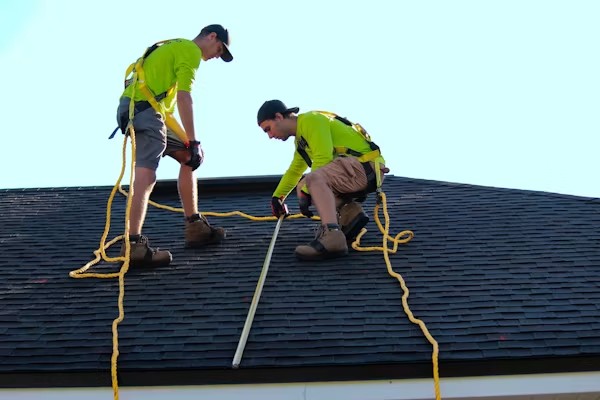
Because roof damage isn't always visible from the ground, a professional inspection is the safest way to know exactly what you're dealing with. An experienced roofer can check the decking, flashing, ventilation, and overall structure before recommending a repair or replacement. Browsing our full list of roofing services is a good starting point if you want to see everything involved in a proper inspection and installation.
Key Takeaways
- Minor leaks, a few damaged shingles, or isolated storm damage usually only call for a repair.
- Widespread wear, repeated leaks, or a roof nearing the end of its lifespan usually points to a full replacement.
- Repairs cost less upfront, but frequent repairs can add up and may signal it's time for something more permanent.
- A professional inspection is the most reliable way to know which option makes sense for your home.
Frequently Asked Questions
Is it cheaper to repair or replace a roof?
How do I know if my roof damage is serious?
Can I repair just part of my roof instead of replacing the whole thing?
Will homeowners insurance cover roof replacement?
How often should a roof be inspected?
Not Sure Which Option Is Right for Your Home?
A quick inspection can save you from guessing. Contact our team today to get a clear, honest recommendation on whether a repair or a full replacement makes the most sense for your roof.
Free 24-hour quote in California.
No pressure, no door-knocking, no scripts. Just Alcon on the phone.