Surviving Fresno's Roof-Killing Climate: Heat, Fog & the Damage You Can't See
Key Takeaways
Fresno summer heat can push dark shingle surfaces to 150°F–175°F+, softening asphalt binder and accelerating granule loss.
- Tule fog blankets Fresno roughly 32 days each cool season, quietly wicking moisture into flashing, nail holes, and pipe boots.
- Pipe boots are the #1 leak source in Fresno homes built 1985–2005, typically failing after just 8–12 years.
- Poor attic ventilation can push attic temps to 150°F in July, cutting shingle lifespan nearly in half regardless of brand.
- A real inspection takes far more than a 12-minute phone-camera walk-around, and trusted local roofers are usually booked 3–6 weeks out in peak season.
If you own a home anywhere between Clovis and Kerman, your roof is fighting a two-front war every single year. That's why homeowners across the Valley increasingly turn to complete roofing services in California rather than patching problems one leak at a time. Here's exactly what Fresno's climate does to a roof, backed by real numbers, and how to catch the damage before it becomes a ceiling stain.
Fresno's Roof Stressors, By the Numbers
Talk to any longtime Valley roofer and they'll tell you Fresno isn't just hot, it's relentlessly, cumulatively hot, followed by months of a fog that never seems to hurry. The table below pulls together climate normals from the National Weather Service's Fresno climate records alongside material-science data, and it explains why this region chews through roofs faster than milder parts of California.
| Metric | Fresno Value | Why It Matters |
|---|---|---|
| Average summer high (Jun–Aug) | 89°F – 96°F | Sets the daily heat load every roof surface absorbs |
| Days per year at 100°F+ | ~38 days | Repeated thermal cycling breaks down asphalt binder |
| Record high temperature | 114°F (July 2021) | Represents worst-case shingle surface temperatures |
| Dark shingle surface vs. air temp | +50°F to +90°F hotter | On a 100°F day, shingles can reach 150°F–175°F+ |
| Sunny days per year | 271 (vs. 205 U.S. avg) | More cumulative UV speeds up granule and mat wear |
| Annual rainfall | ~12 in (vs. 38 in U.S. avg) | Less rain overall, but moisture concentrates in fog season |
| Avg. dense fog days per season | ~32 days (Nov–Mar) | Repeated condensation cycles seep into flashing and boots |
| Foggiest month | January (~11 fog days) | Highest-risk window for slow moisture intrusion |
| Typical pipe boot lifespan | 8 – 12 years | The most common leak point in homes built 1985–2005 |
| Poorly ventilated attic temp (July) | Up to 150°F | Bottom-up heat can cut shingle life roughly in half |
The Heat Problem Nobody Warns You About
Fresno summers don't just feel brutal, they physically cook the petroleum binder out of asphalt shingles. On a 108°F afternoon, a south-facing roof can hit surface temperatures well past 165°F, more than enough to soften the asphalt mat, loosen granules, and curl shingle edges the way a tortilla chip curls in the sun. If you've ever cleaned your gutters in September and found a layer of black, sandy grit at the bottom, that wasn't dirt. That was your roof, slowly leaving one granule at a time.
Granule loss is the earliest warning sign most people miss. By the time a bald, quarter-sized spot is visible from the ground, the fiberglass mat underneath has usually already absorbed a couple of summers of direct UV exposure unprotected. Once UV works through that mat, the roof is often just one heavy storm away from an active leak. The upside: this stage is entirely catchable, if someone actually climbs up and looks instead of guessing from the driveway.
Tule Fog: The Slow Leak You Never See Coming
Winter in the Valley plays a different, sneakier game. Tule fog doesn't dump water the way a Sierra storm does; it just sits, sometimes for a full day, blanketing rooftops in dense moisture. That moisture wicks into nail holes, into the seams of step flashing around chimneys, and into the rubber boots surrounding plumbing vents. Then the sun breaks through, everything looks bone dry again, and the cycle resets. Repeat that around 30 times a winter for a decade, and rotted decking can go completely unnoticed until someone in the attic puts a foot straight through it. That's not a scare tactic, it happens across older Fresno neighbourhoods more often than most homeowners realize. Pipe boots take the brunt of this cycle. Those neoprene collars around vent stacks typically crack and fail within 8 to 12 years, and they remain the single most common leak source in homes built between 1985 and 2005. Catching a cracked boot early is a minor fix; ignoring one until water tracks down a rafter and blooms across a living room ceiling is a very different conversation.
Why Attic Airflow Beats Shingle Brand Every Time
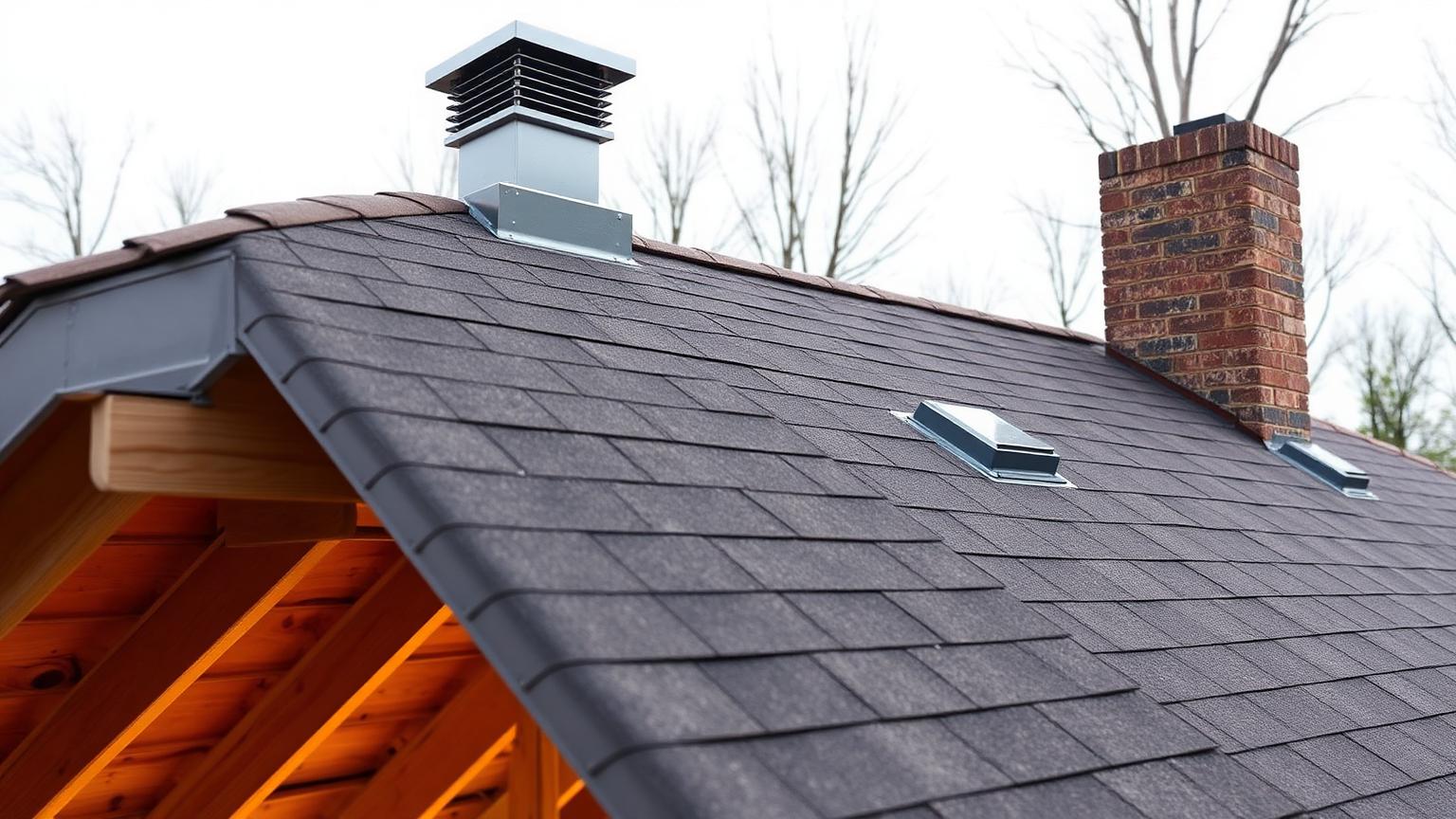
Homeowners obsess over shingle brand names, but a well-known label won't save a roof sitting on top of a poorly ventilated attic. A Fresno attic that can't breathe properly regularly hits 150°F in July, and that heat radiates straight down into insulation, ductwork, and second-floor bedrooms. It also bakes the underside of the shingles year-round, which can cut their working lifespan nearly in half. The comparison below shows just how much ventilation quality changes the outcome, independent of the shingle used.
| Attic Condition | Typical July Attic Temp | Effective Shingle Lifespan* |
|---|---|---|
| Balanced ridge + soffit ventilation | 110°F – 120°F | Close to full rated life (20–30 yrs) |
| Ridge vent only, no soffit intake | 125°F – 140°F | Moderately reduced (roughly 18–22 yrs) |
| Minimal or blocked ventilation | Up to 150°F | Roughly cut in half (12–15 yrs) |
*Estimates based on standard 25–30-year rated asphalt shingles under typical Central Valley sun exposure; actual results vary by installation quality and roof orientation.
If the air conditioner runs constantly and the upstairs bedrooms still feel like a parked car at 4 p.m., that's not automatically an HVAC problem. It's often a roof-and-attic problem wearing an AC bill as a disguise. ENERGY STAR's guidance on attic ventilation confirms that balanced airflow moves super-heated air out before it can bake the roof deck and shorten shingle life.
What an Honest Roof Inspection Actually Covers
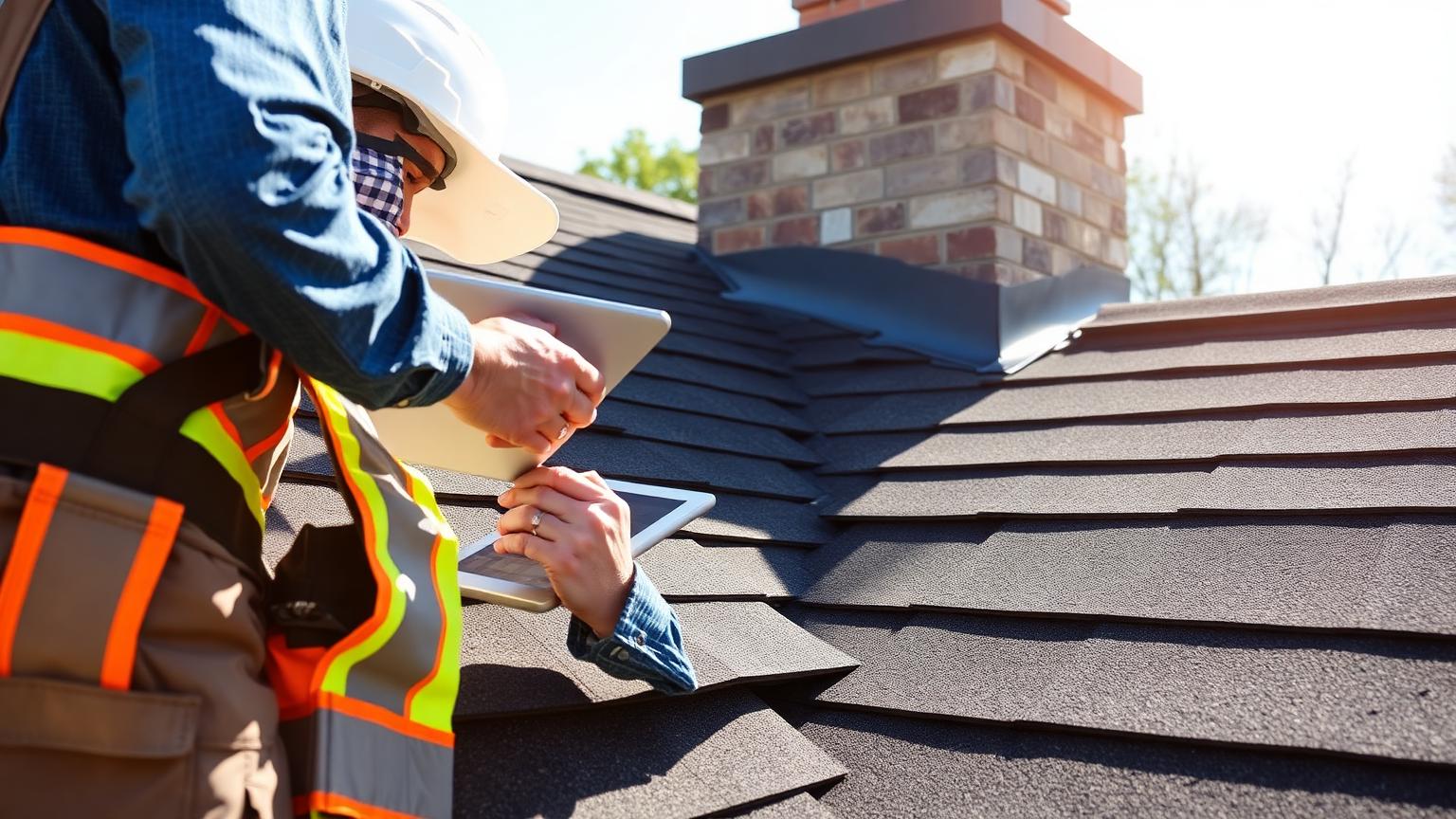
A frustrating amount of 'free inspections' in this town take about twelve minutes: someone points a phone camera at the chimney, and somehow the homeowner suddenly 'needs' a full tear-off. That's a sales pitch dressed up as an inspection, not an actual evaluation. A real walk-through in the Valley should cover:
- Granule wear specifically on the south and west-facing slopes
- Condition of pipe boots and the rubber collars around every roof vent
- The metal flashing at any wall or chimney junction
- Bedding and sealant on the ridge cap
- Whether gutter pitch is correct so storm runoff doesn't pool against the stucco
Expect photos and a straight answer about how much life is realistically left in the roof, not a doomsday script designed to rush a decision.
Warning Signs Worth a Second Look
A few things are visible from the ground with a decent pair of binoculars: shingles lifting at the edges, dark streaks running down from a chimney or vent, a ridge line that looks like it's sagging, or a patch of roof that looks matte and chalky compared to the rest. Any one of those is worth a phone call. Water stains on a ceiling especially shouldn't wait for next payday, the longer drywall stays wet, the more it costs to fix.
One more practical tip: if it's the middle of August and a quote promises a Monday start, get a second opinion. Reputable Fresno roofers are typically booked three to six weeks out during peak season. Instant availability usually means a brand-new crew, or a business burning through customers for a reason worth asking about.
The Bottom Line
Fresno is genuinely one of the tougher climates in California to keep a roof healthy in. The heat is relentless, the fog is sneaky, and the dust never really stops. But a roof here can absolutely go the distance if it's installed correctly, ventilated properly, and checked every few years by someone who isn't trying to sell a tear-off on the spot. That's really the whole secret.
Whether it's a fog-damaged flashing seam or a heat-baked shingle field, Alcon's Roofing Inc has spent over three decades reading exactly what Fresno's climate does to a roof, and catching it before it becomes a bigger problem.
Frequently Asked Questions
How often should I get my roof inspected in Fresno's climate?
How long do asphalt shingles actually last in Fresno heat?
What is tule fog, and does it actually damage roofs?
How can I tell if poor attic ventilation is damaging my roof?
Free 24-hour quote in Fresno.
No pressure, no door-knocking, no scripts. Just Alcon on the phone.