Clovis Storm Damage: What to Do After a Storm Hits Your Roof
Key Takeaways
- Put safety first: never climb onto a wet or visibly damaged roof after a storm.
- Photograph and document damage before cleanup or temporary covering whenever it is safe to do so.
- Use temporary protection to prevent additional water intrusion, and keep receipts for reasonable emergency work.
- Notify your insurance company promptly and understand your deductible and policy terms before authorizing permanent repairs.
- Get a written inspection and scope from a reputable local roofing contractor before deciding between repair and replacement.
A Storm Can Leave More Damage Than You Can See
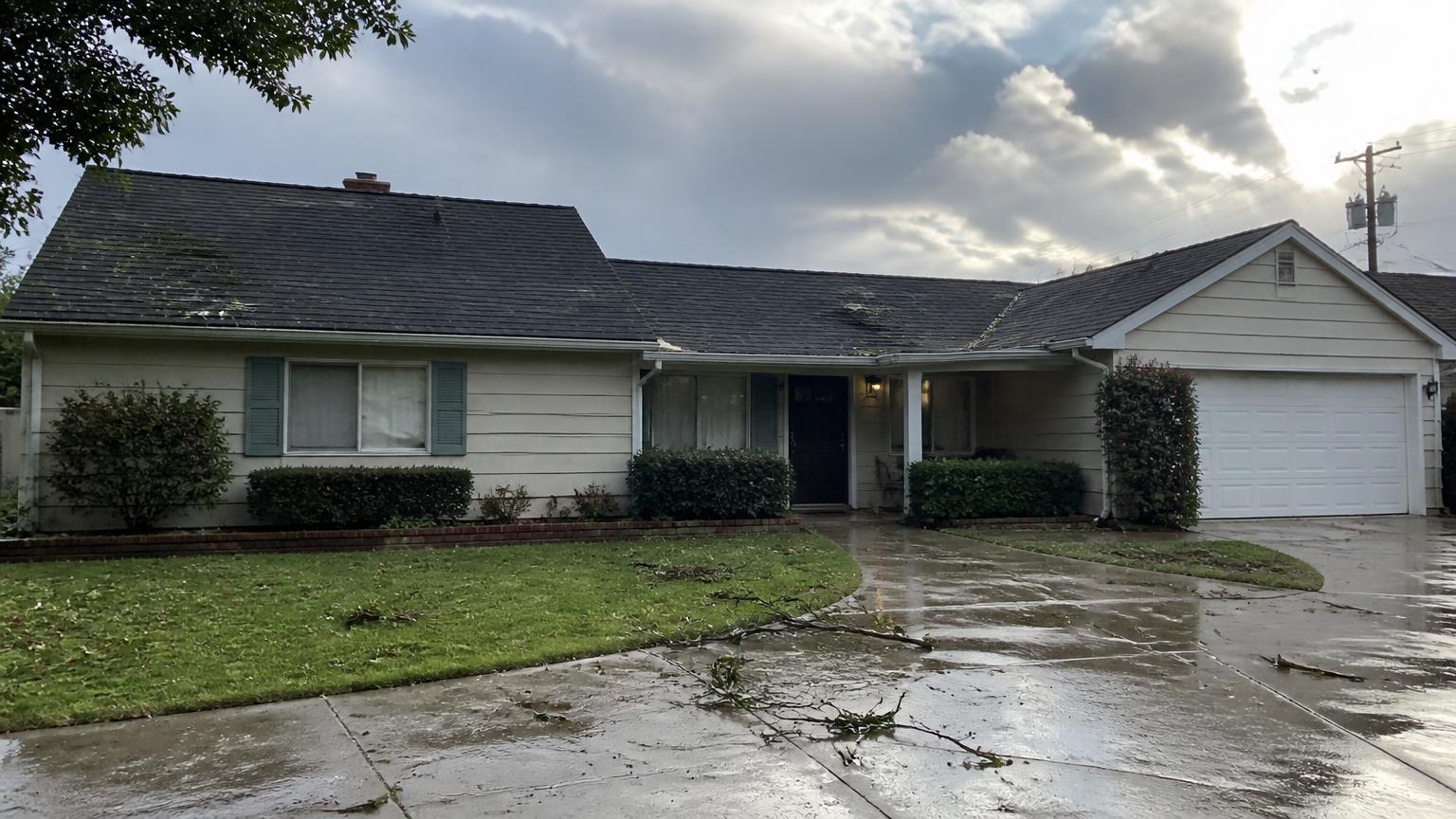
A strong Clovis storm can leave obvious clues—shingles in the yard, broken branches, damaged vents, or water stains on the ceiling. But some of the most expensive problems are hidden. Wind can lift roofing materials without creating an immediate interior leak, while impact from hail or debris can weaken shingles, flashing, vents, and other roof components.
That is why the first goal is not to decide whether you need a new roof. The goal is to make the property safe, limit additional damage, document what happened, and arrange a professional inspection. A careful process also gives you better information if you need to file an insurance claim.
What to Do in the First 24 Hours
- Stay off the roof. Wet surfaces, loose materials, broken decking, and storm debris can make a roof especially dangerous. Inspect from the ground and look for visible warning signs instead.
- Check for interior leaks. Look at ceilings, attic areas, walls near the roofline, and around skylights or vents. If water is entering, protect belongings and contain dripping water safely.
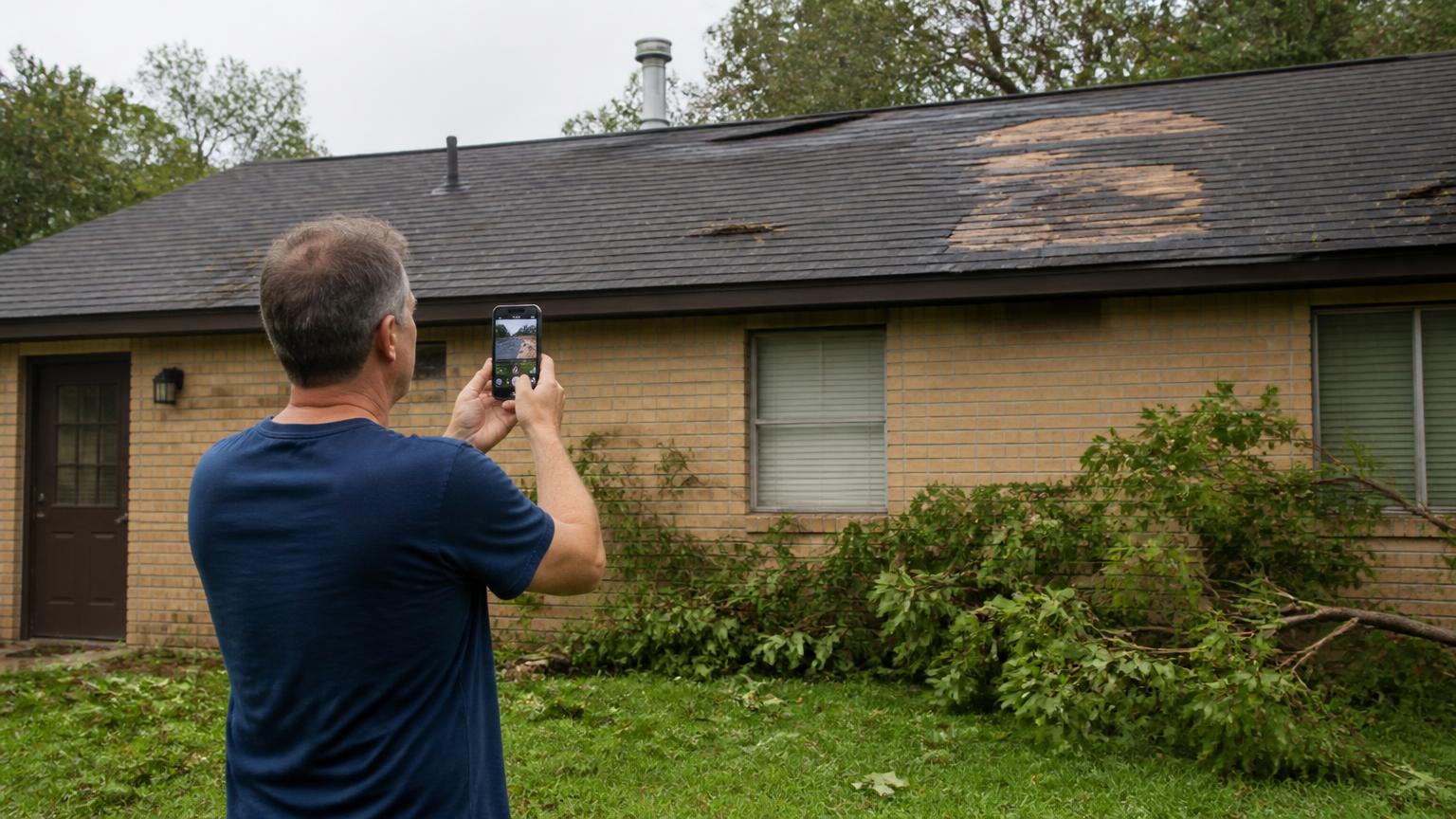
- Document the damage. Take clear photos and video of the exterior, interior stains, fallen debris, damaged roofing materials, and surrounding property. Keep the storm date and a simple record of what you observe.
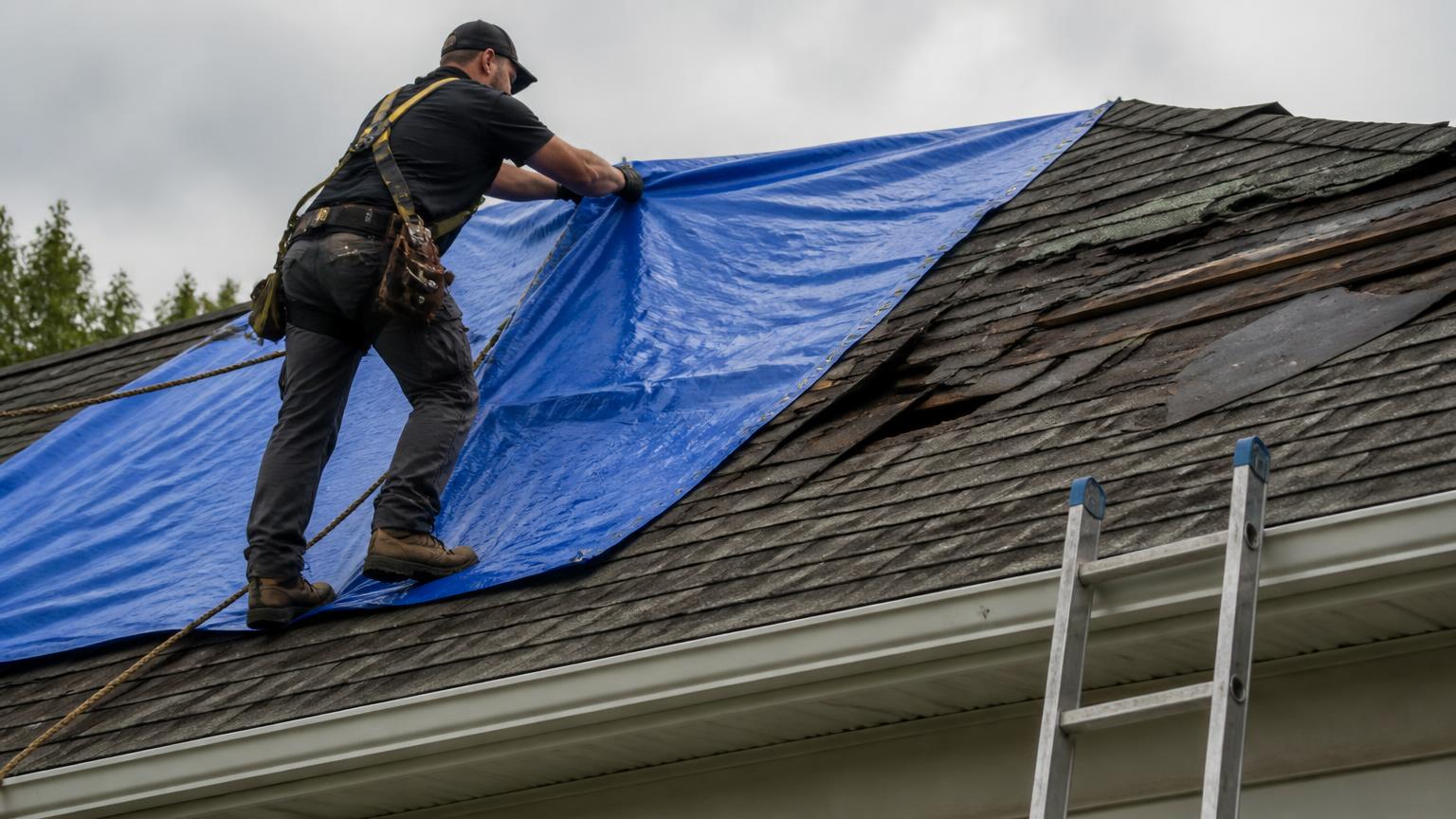
- Prevent further damage. If there is an active opening, arrange safe temporary protection such as professional tarping. Do not take unnecessary risks attempting roof work yourself.
- Contact your insurer. Report the loss according to your policy and ask what documentation and inspection steps are required before permanent work begins.
Storm Damage: What You Can See vs. What Needs an Inspection
| Visible Sign | Possible Problem | Recommended Action |
|---|---|---|
| Shingles in the yard | Wind-lifted or missing shingles | Schedule a roof inspection |
| Brown ceiling or wall stain | Roof leak or water intrusion | Contain water and arrange prompt inspection |
| Bent/damaged metal | Impact or wind damage to flashing/vents | Have components evaluated |
| Tree limbs/debris on roof | Puncture or concealed structural damage | Keep people clear and get a professional assessment |
| No visible damage | Hidden damage may still exist | Consider an inspection after a severe storm |
California insurance guidance matters here: the California Department of Insurance advises homeowners to make reasonable temporary repairs to prevent further damage, save receipts, report the loss, and avoid extensive permanent repairs before the adjuster has assessed the damage. See the California Department of Insurance claims guide.
How to Document a Storm-Damage Claim
Good documentation tells the story of the loss. Photograph the roof and affected areas from multiple angles, but do not climb onto the roof simply to get a closer image. Capture damaged shingles, gutters, vents, flashing, fallen branches, interior stains, and any emergency protection installed afterward.
Keep copies of estimates, invoices, receipts, claim correspondence, and notes from conversations with your insurer or contractors. California’s Department of Insurance also recommends keeping a record of communications and checking the contractor’s license before hiring someone for repairs.
Insurance: Coverage Depends on Your Policy
Storm damage is not automatically covered in exactly the same way for every homeowner. Coverage can depend on the cause of loss, policy language, exclusions, deductibles, the condition of the roof before the storm, and whether you have replacement-cost or actual-cash-value coverage.
For example, California Department of Insurance guidance notes that homeowners policies generally do not cover flood damage, while certain water damage caused by rain entering through a storm-created opening may be covered when the underlying event is a covered peril. Always confirm the details with your insurer rather than assuming every leak is covered.
Repair or Replace? Use the Condition of the Roof as the Guide
| Situation | Likely Approach | Why | What to Ask |
|---|---|---|---|
| Limited damage on a sound roof | Repair | Localized damage may be fixable without replacing the whole system. | Can the damaged area be restored reliably? |
| Widespread storm damage | Repair or replacement | Multiple failed components can affect long-term performance. | What is the complete written scope? |
| Older, brittle roof plus storm damage | Evaluate replacement | Existing age and deterioration can affect repair value. | What would repair cost versus replacement? |
| Active leak with exposed opening | Emergency protection first | Stopping additional water intrusion is the immediate priority. | What temporary work is needed today? |
Watch Out for Storm-Chaser Pressure
After a major storm, homeowners may receive calls, texts, or door-to-door offers promising immediate repairs. A fast response can be useful, but urgency should not replace due diligence. Ask for the contractor’s California license information, written scope of work, insurance information, and clear pricing.
The California Department of Insurance recommends checking that contractors are properly licensed and warns consumers not to rush into repairs or sign agreements without understanding what they are authorizing. Review California’s consumer guidance on avoiding disaster-repair scams.
A Simple Post-Storm Checklist
- Stay off the roof unless a qualified professional is performing the inspection.
- Look for interior water intrusion and protect belongings.
- Photograph damage from safe locations.
- Arrange temporary protection for active openings.
- Notify your insurance company and save the claim number.
- Obtain a written roof inspection and estimate.
- Compare repair and replacement options based on the roof’s actual condition.
- Verify contractor licensing and read every agreement before signing.
For homeowners who want a local, straightforward assessment, Alcon’s Roofing Inc provides roofing services for homeowners across Fresno and the Central Valley. The important thing is to get the roof evaluated before a small storm-related issue becomes a larger water-damage problem.
Frequently Asked Questions
How do I know if my roof has storm damage after a storm?
Should I call my insurance or a roofer first after storm damage?
Will homeowners insurance pay for roof repairs after a storm in California?
Can I repair storm damage myself?
Final Thoughts
Storm damage is stressful, but the right sequence makes recovery much easier: stay safe, stop additional damage, document what happened, contact your insurer, and get a professional inspection. Avoid pressure-driven decisions and choose a contractor based on licensing, experience, written documentation, and the actual condition of your roof.
For Clovis homeowners, acting promptly can help prevent a compromised roof from turning into a larger interior repair. When in doubt, have the roof professionally assessed and make the repair-or-replace decision from evidence—not guesswork.
Free 24-hour quote in Clovis.
No pressure, no door-knocking, no scripts. Just Alcon on the phone.